


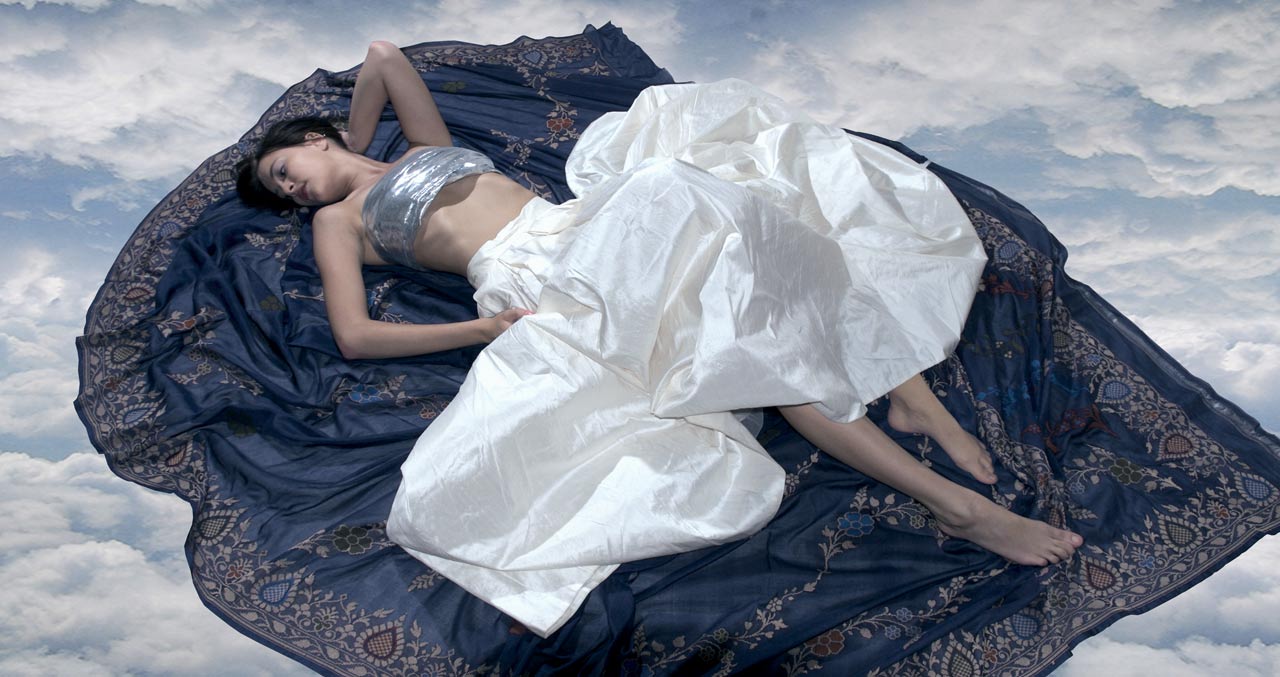
From an early age, I was both captivated and haunted by my dreams. They followed me as much as I followed them, unfolding in vivid and symbolic ways that I felt compelled to record. Alongside my diaries, I began writing them down—first as fragmented memories, and finally as dream narratives that grew into what I now call dream texts. I was deeply moved by the transformative, almost healing power of these writings,
I was also moved by other authors who explored the world of dreams, such as Friedrich Huch, who recorded his own dreams, and Franz Kafka, whose surreal and enigmatic works seem to emerge from the subconscious and dreamlike sources, both in their symbolism and their detached, fragmented style.
Dreams, with their poetic strangeness and layered meanings, became an essential part of my creative writing and later also photographic work life.
In 1990, one year after the fall of the Berlin Wall, I was accepted to study at the Deutsches Literaturinstitut in Leipzig, one of the most renowned institutions for German-language writers and poets. It was a moment of immense joy—a dream fulfilled.
This small selection of texts presented appear in its original language alongside a carefully rewritten translation—more than a mere linguistic conversion, each version will stand as a new interpretation of the original, shaped by the nuances of both, the English and German cultures that reflect my bilingual background.
Dream texts remain central to my writing, and I invite you to explore both my poetry and dream narratives. I hope they speak to you, perhaps even offering inspiration for your own creative or introspective journey. Dreams are not just fleeting images of the night—they hold a deep and often unexpected power of healing, similar to journaling and they educate about the hidden parts of self.
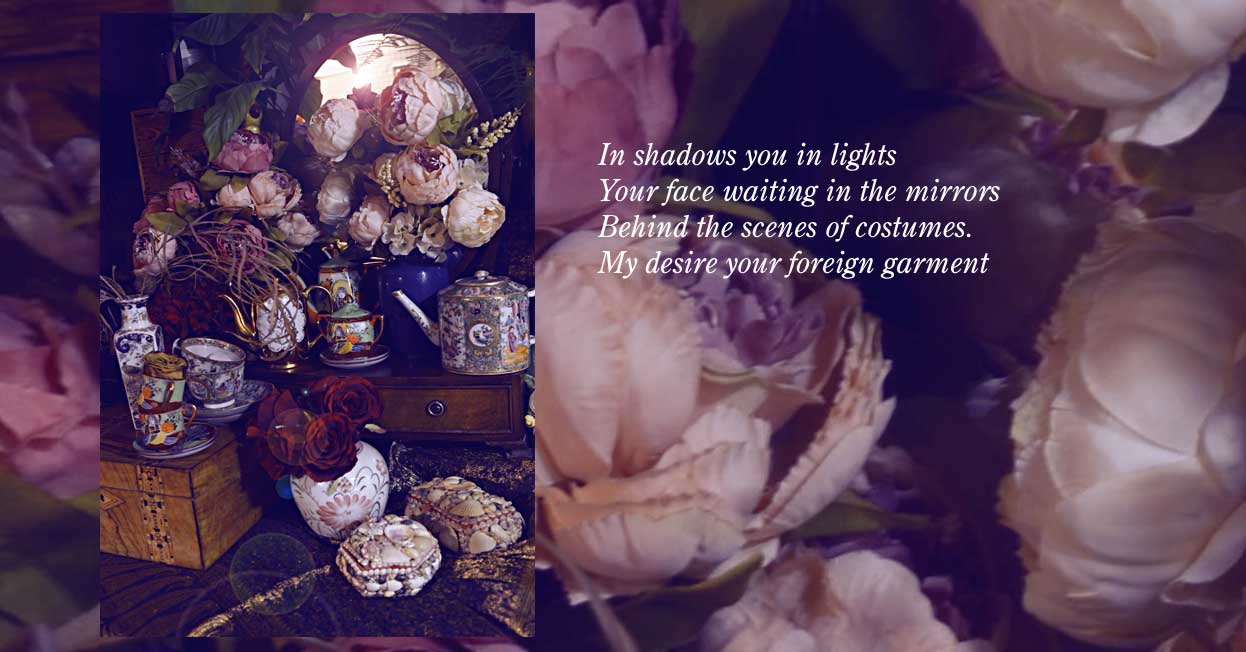
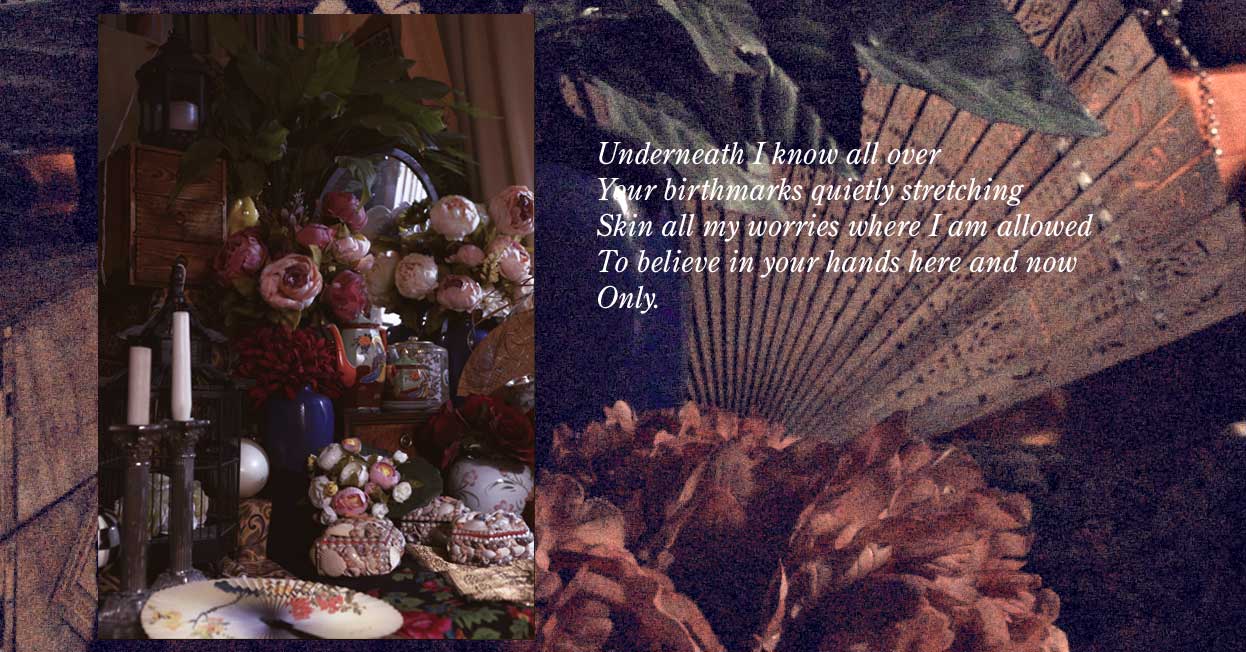

The answer
I’m standing in a beautiful garden of an old castle. It’s spring and I’m enjoying the air and listening to the birdsong. When I look around, I see a figure in the distance – it’s M. so I turn around in his direction to run to him, but when he recognises me he runs away. My need to see him is very great; which is why I now rush after him at a chasing pace.
Running is suddenly getting difficult for me, because of my many clothes preventing me from running. My running is like running on the spot. Seemingly in slow-motion and slightly floating above the ground it seems. M. has long since disappeared.
But I don’t give up and start undressing myself while running. Clothing piece by piece I throw away of myself. Suddenly running becomes easier and easier. I reach the iron gate of the park, where a kind of guard sits. He looks at me wordlessly. In my haste, I give him the last piece of clothing I throw away, saying that I will pick it up later again. I was wearing now a sheer wafer-thin white summer dress with tiny blue flowers on it… in the distance I saw M., completely out of breath he went to a bench standing on the side of the path to recover from running. I run towards him to sat down next to him, also completely out of breath… I looked quietly at him for a while, to which he replied: ‘Nothing you have ever written to me in your letters is true!’.
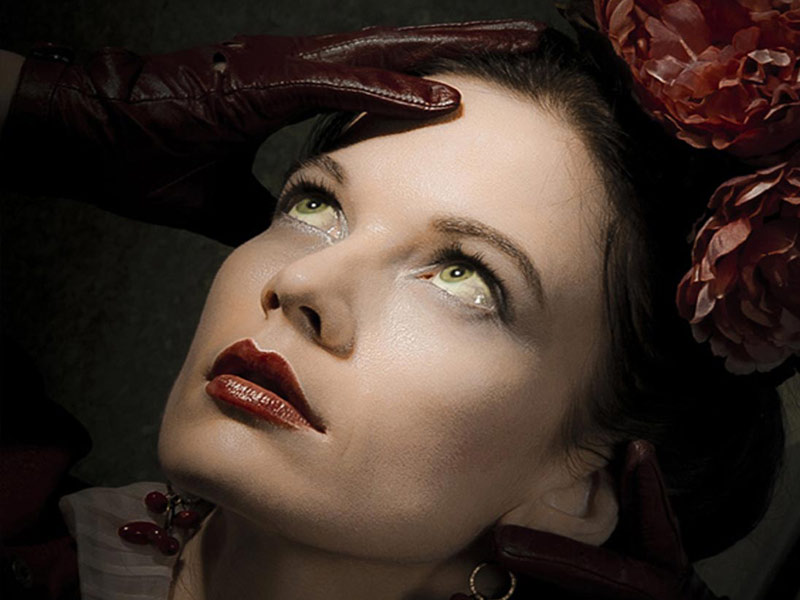
The robbers
they will come, in the middle of the night they will come, without knocking they will open the door to demand what they were promised. they will be merciless and will not ask for the promise, they will grab him, pull him from the sleeping camp without first having wrapped him in a blanket and press him down on a small chair. his eyes will look frightened, silent and shivering into the round, without having recognised any one of these faces, but they will no longer ask. with their hollowed-out eyes, drooping arms, they will demand their night camp, his presence and the warm voice of a bird. for now, before they feel strengthened…
they will fog up the windows with their breath, touch the room with their hands, like blind ones. they will brace themselves and follow that invitation, never given. they will throw bulging questions at him, demanding a solution to the riddle. they will deprive him of his myth, see through him like glass. they will press the corners of their mouths into his clay cups, plunder all the food containers and fatten themselves to death next to the warming ovens. and, they will have come because there was grief in them. because that image of a face, like a yellowed photograph, an immanent loss, could fall out of their heads. and, gathered on the outskirts of the city, as they were, suddenly understood that someone could love them like a brother.

Every evening.
He comes every evening.
Only in the dark can she see him. What he says, only she knows how to decipher.
The light gives him his shadow, so she can discern him. He holds up the yellow lantern
In his left hand, stands upon the rooftop, far opposite her windows.
There he stands, just for her, the lamplighter she loves.
Every evening.